
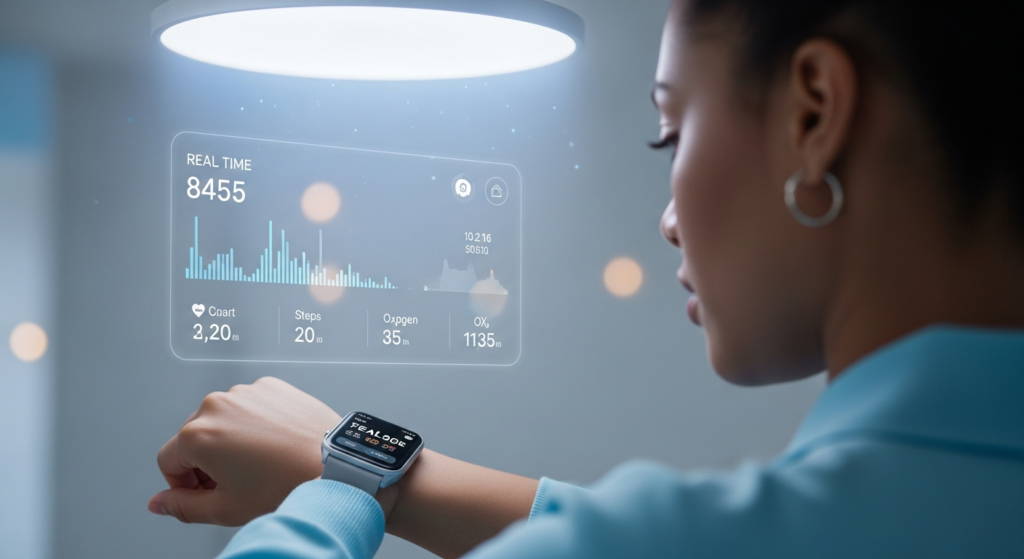
The state of healthcare in 2026 is no longer associated with treating the already developed diseases. Rather it is aimed at prediction, prevention and control of the health risks before they escalate to serious levels. Customized preventive health involves the use of superior technologies such as AI, wearables and genetic analyses to develop individual health plans. This is a new practice that is assisting individuals to live longer, healthier and more enlightened lives.
What is Personalized Preventive Healthcare?
Understanding the Concept
Preventive healthcare is a new medical practice that aims at preventing diseases depending on the unique aspects of an individual. These are genetic factors, living habits, medical history and exposure to the environment. Healthcare providers do not implement general treatment strategies since they develop specific strategies that would fit the needs of a particular person. This will improve the accuracy of prediction of risks and prevention.
The reason behind the increasing Personalized Prevention in 2026.
Emerging Digital Health consciousness.
As more information and health technologies are made available to them, individuals are getting more aware of their health. They are also proactively monitoring their health (fitness, diet, mental health), which promotes the development of preventive care. Such awareness is fueling the need to have smarter and more customized health solutions.
The major advantages of Preventive Healthcare that are Personalized.
- Preventive measures of diseases before they manifest themselves.
- Personalized plans of health.
- Less expenditure on healthcare in the long term.
- Better life and increased life expectancy.
- Increased patient involvement and responsibility.
Basic Technologies that drive individualized Care.
- Smart and wearable health trackers.
- Predictive analysis Artificial Intelligence.
- Genetic diagnosis to determine risk of illnesses.
- Daily monitoring mobile health apps.
- Remote healthcare Telemedicine.
The major elements of Preventive Healthcare which are personalized.
Genetic Profiling

Genetic profiling is an important thing in determining inherited health risks. Through the DNA, the doctors are able to tell when a person may develop a disease like diabetes, heart disease or cancer. This will enable people to implement preventive measures well in advance such as lifestyle changes and frequent screenings to minimise the risks.
Lifestyle Monitoring
Lifestyle monitoring is a daily behavioral tracking of such aspects of life as diet, physical activity, sleeping habits, stress. Through intelligent devices and applications, users are able to have real-time information on their health. These lessons can aid in making more appropriate lifestyle choices that can lead to overall well-being.
Digital Health Platforms
Digital health platforms combine data of different sources to give a complete picture of the health of an individual. These applications provide/offer customized suggestions, notifications, and an activity tracker. They enhance access to healthcare and assist users to remain focused on their health objectives.
Preventive Screenings
Preventive screenings are tailored-made depending on the risk factors of an individual. The early diagnostic tests and frequent check-ups can be used in detecting diseases at an early stage, which can be treated easily and more effectively. This will go a long way in eliminating the risk of serious complications.
Mental Health Integration
In modern preventive medicine, mental well-being is also given importance. Physical health is strongly connected with stress, anxiety, and emotional health. Applications such as meditation applications, therapy websites, and mood trackers assist people to take care of their mental well-being.
Difficulties of Preventive Healthcare that is Personalized.
Data Protection and security.
As the idea of personalized healthcare demands a lot of personal data, the confidentiality of this information is of utmost importance. There should be strong data security systems and regulations that guarantee confidentiality and trust of the patients.
Accessibility and Affordability
High-end healthcare technologies do not equally exist across all locations, particularly in rural or less-developed locations. There is a need to strive towards ensuring that these services are more affordable and accessible.
High Initial Investment
Even though preventive healthcare is less expensive in the long term, the initial expenses of the devices, testing, and online platforms might be burdensome to most people.
Require talented Professionals.
The healthcare providers should be trained to comprehend and interpret complicated data. To help patients in individualized healthcare plans, it is imperative to have skilled professionals who can guide them.
Preventive Healthcare in the Future.
AI and Big Data.
AI will be further enhanced in predicting diseases and customized treatment plans. Through big data, the healthcare systems will also be more precise and effective in risk identification.
Growth of Telehealth Services.
Telemedicine will contribute significantly towards accessibility of healthcare in remote places. Individuals will be enabled to visit doctors at home and check on their health.
More Emphasis on Whole Person Health.
The future healthcare is going to be concerned with physical health, mental and emotional well-being. A middle ground will result in an improvement of general health.
International Implementation of Prevention models.
Increasing numbers of countries are moving towards preventive systems of healthcare. The government and organizations are investing in technologies which ensure early detection and healthy lifestyles.
Conclusion
Individualized preventive care is reshaping the future of health care in 2026. It enables individuals to control their health by making early detection, information-driven insights, and personalized care a priority. Although factors such as cost and availability are still a challenge, continued technological and healthcare system improvements are making this method more feasible and commonplace. Prevention will be the basis of a healthier and more sustainable world in the next few years.
Questions and answers (F&Q)
Q1. What is preventive healthcare that is personalized?
It is a method of health care which involves the use of personal information such as genes and lifestyle to avert diseases even before they are experienced.
Q2. What can wearable technology do to prevent it?
Wearables are able to monitor vital signs and identify abnormalities at an early stage thereby enabling timely medical care.
Q3. Should genetic testing be a requirement of all?
Not necessarily, but it may be of help to those who have the history of some illnesses in their family.
Q4. Is there a high cost of personalized healthcare?
The upfront expenses may be more expensive, however, in most cases it saves the healthcare purchasing spending in the long run by averting diseases.
Q5. Is it possible to substitute traditional treatment with preventive?
No, it is an addition to the conventional healthcare system that minimizes the need of treatment by means of early prevention.
