
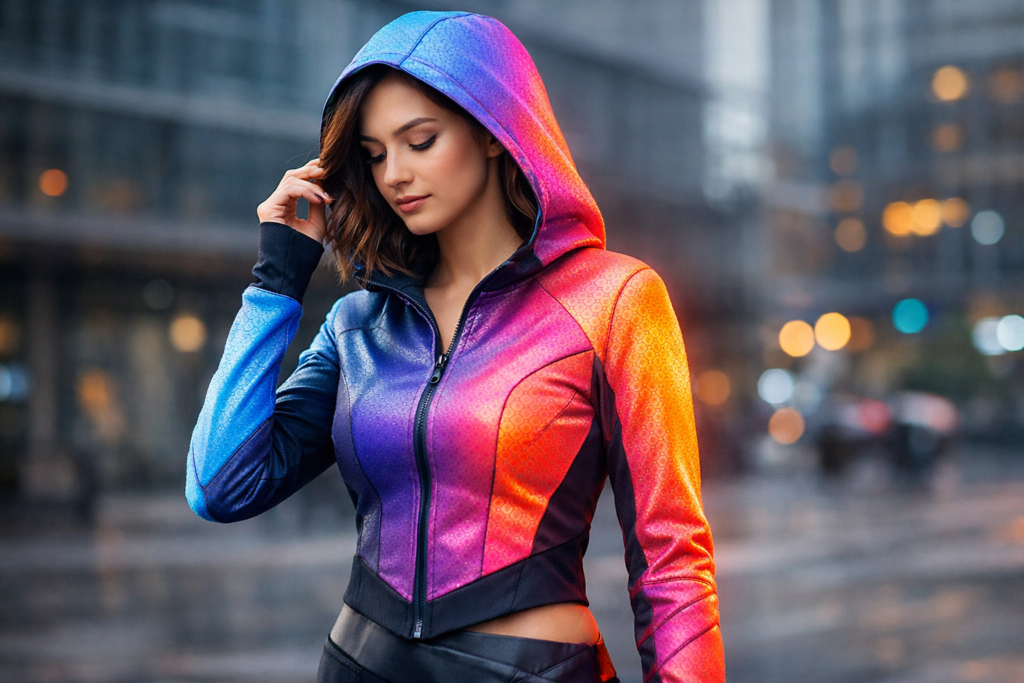
Fashion is no longer about appearance but it is taking a new form whereby it is becoming an experience. The emergence of sensory fashion and emotional styling is indicative in a more fundamental way of the interaction of people with clothing. Nowadays clothes are even created to not only be appealing to the eyes but also to change your mood, be comfortable, and even promote a healthy mind. This new wave is a fusion of technology, psychology and design to produce clothing that looks and feels as strong as it looks.
Sensory Fashion is on the Rise.
Sensory fashion is about the way clothes relate to the human senses; touch, sight, temperature and even sound. Sensory fashion contrasts with the traditional fashion, which is more concerned with visual appeal, and incorporates materials and design features that produce a multi-sensory experience.
Major aspects of Sensory Fashion.
Sensory fashion means a variety of new functions that transform the experiences of clothing:
- Fabrics that are soft and are textured to calm and relax the wearer.
- Body heat-reactive temperature-regulating materials.
- Breathable and lightweight designs to be physically easy.
- Reactive textiles that react to the environment.
- Minimal sound or vibrations to stimulate senses.
These are features that are particularly useful to people who are sensitive to feel or environmental factors, and make fashion more accommodating and practical.
The Application of Technology in Sensory Design.
One of the key factors in sensory fashion innovation is technology. Smart clothes and wearable technologies are turning clothes into interactive tools. Clothes can now regulate temperature or even stress levels and even change color depending on the mood.
As an example, the clothes with sensors can sense physiological changes, such as the heart rate, and respond to them. This combination of fashion and technology also contributes to comfort and in addition, a stronger bond between the user and his or her garments.
Inclusion by Sensory Fashion.
The industry is becoming more inclusive due to sensory fashion as well. It serves people who have sensory processing sensitivities, such as those with autism spectrum. It makes fashion more accessible to a broader audience by making it comfortable, using non-irritating materials, and designing it in adaptive ways.
This change is the departure of mass-market fashion in the direction of humanistic and individualized design.
Emotional Styling: Dressing based on How you feel.
Emotional styling transcends the importance of being physically comfortable, it is concerned with how clothes can influence mood, confidence and self-expression. It is about dressing in ways that agree with your mood or enabling you to get to a desired mood.
The effect of Clothing on emotions.
An important psychological effect of clothing is hardly noticeable. Mood and behavior could be affected by colors, textures, and fits:
- Positivity can be increased by bright colors such as yellow, orange.
- Light materials will give the impression of relaxation and safety.
- Organized uniforms may boost self-esteem and power.
- Relaxed and loose garments encourage comfort and relaxation.
- The identity and self-esteem are reinforced by personal style choices.
With the knowledge of these relationships, people will be able to utilize fashion as its means of emotional health.
The idea of Mood-based Dressing.
Mood dressing is an emerging trend whereby individuals dress according to their mood- or how they want to feel. This will promote a conscious approach to fashion.
In the case of an individual who is stressed, he/she may opt to wear a soft-colored, neutral colored garment, which will produce a soothing effect. Conversely, loud designs and bright shades are able to stimulate and boost the spirit.
AI and individuality in Emotional Styling.
AI is also making a big contribution to emotional styling. To recommend personal outfits, apps and platforms can now evaluate the preferences of people, their mood twists and lifestyle.
These systems transcend aesthetics and provide suggestions that are in line with the emotional requirements. This brings about a more valuable and natural association between people and their wardrobes.
The Future of Fashion: The Future of Feeling Meets Function.

The combination of sensory fashion and emotional styling is an indication of a significant change in the fashion industry. Dressing is no longer a mere expression but it is becoming a personal experience.
Sustainability, comfort and mental well-being are some of the aspects that brands are paying attention to. With fashion requiring more products with essence, it will keep on changing in a way that gives more emphasis to the human experience.
We may anticipate in the future clothing that is able to adjust to the environment, as well as one that comprehends our feelings. This is going to rebrand fashion as a means of self-expression and self-care.
Conclusion
Sensory fashion and emotional styling is a strong change of perception of clothing. Fashion is as personal and influential as it has never been before by integrating comfort, technology and psychology. This is no longer a question of looking good but it is all about feeling good, both inside and outside.
This trend will change the industry as it will make fashion more inclusive, smart and emotionally involved with the individuals who wear it.
FAQs
1. What is sensory fashion?
Sensory fashion are clothes that are made to improve physical comfort and awaken the senses using textures, temperature regulation and smart fabrics.
2. What is emotional styling?
The art of dressing according to moods, emotions, or the intended emotions is known as emotional styling.
3. What is the influence of clothing on mood?
The colors, textures and fit can also have an effect on emotions as they make people feel comfortable, confident or energized.
4. Do sensory fashion people have to be sensitive?
No, although it will be beneficial to people with sensory sensitivities, it is created to suit anyone who wants to experience and feel more comfortable.
5. What is sensory fashion going to do?
Artificial intelligence will be used to pursue personalization, smart clothes, and clothing that reacts to physical and emotional requirements in the future.
